


In the rapidly evolving e-commerce ecosystem of 2026, creating and monetizing digital assets has reached an all-time high. Whether you are an educator selling online courses, an artist offering digital illustrations, a developer selling SaaS scripts, or an author launching e-books, choosing the best platforms for selling digital products online is the most critical decision for your business.
Unlike physical goods, selling digital items eliminates inventory management, shipping logistics, and manufacturing delays. However, it introduces technical demands such as secure file delivery, automated licensing, subscription billing, and global tax compliance (like EU VAT). This comprehensive guide explores the best platforms for selling digital products online in 2026, breaking down their features, pricing, and strategic advantages to help you scale seamlessly.
Why Choosing the Right Platform Matters in 2026
The creator economy in 2026 relies heavily on automation, AI integration, and instant cross-border transactions. Selecting the wrong storefront can lead to high transaction fees, poor customer checkout experiences, and security vulnerabilities like unauthorized file distribution.
When looking for the best platforms for selling digital products online, you must evaluate key parameters:
- Transaction & Hosting Fees: Flat monthly subscriptions vs. pay-as-you-go commissions.
- Automated Content Delivery: Instant file downloads and license key generation.
- Global Tax Handling: Merchant of Record (MoR) capabilities to handle VAT and sales tax automatically.
- Marketing Tools: Upsells, order bumps, affiliate management, and email automation integrations.
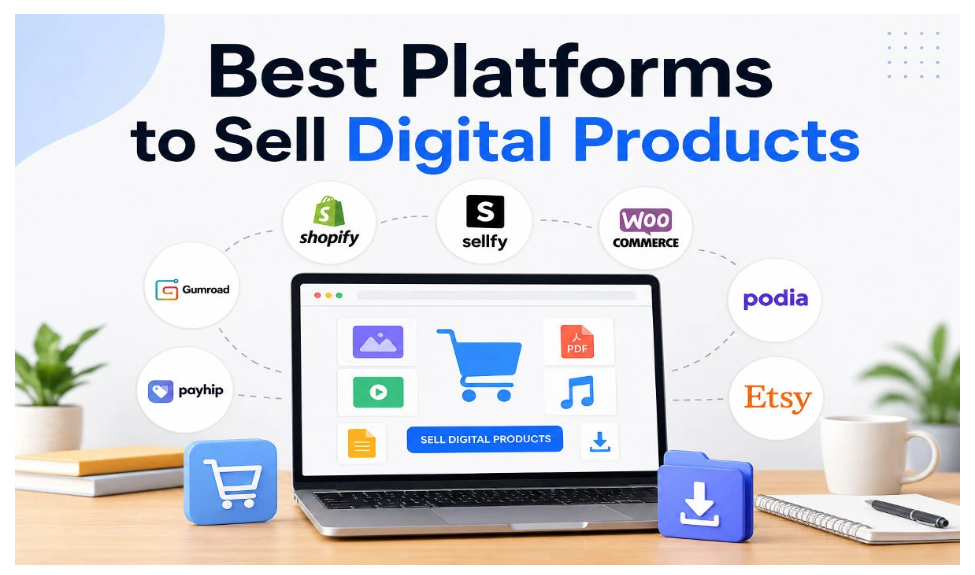
Top Platforms for Selling Digital Products in 2026
1. Shopify: The All-in-One E-Commerce Giant
Shopify remains a dominant force for creator-merchants who want full control over their branding. With dedicated apps like Digital Downloads, Sky Pilot, and SendOwl integrations, Shopify seamlessly handles digital fulfillment.
- Best For: Scale-ready brands selling both digital downloads and physical merch.
- Key Features: Full website customizer, custom domain, robust checkout ecosystem, and deep analytics.
- Pricing: Starts from basic tiers with monthly hosting fees plus credit card processing rates.
For creators scaling a multi-product storefront, Shopify consistently ranks among the best platforms for selling digital products online.
2. Gumroad: Simple, Fast, and Creator-Friendly
For creators who want to launch a digital product in less than ten minutes, Gumroad is an industry favorite. It eliminates website building complexities, allowing you to link directly to a high-converting payment page.
- Best For: Indie hackers, artists, writers, and beginners.
- Key Features: Built-in audience discovery network, flexible “Pay What You Want” pricing, and automated license management for software.
- Why It Stand Out: It removes technical barriers, making it one of the best platforms for selling digital products online without upfront costs.
3. Lemon Squeezy: The Ultimate Merchant of Record (MoR)
In 2026, tax compliance is a major hurdle for global creators. Lemon Squeezy acts as a Merchant of Record, meaning they collect and remit global taxes (EU VAT, US State taxes) on your behalf.
- Best For: SaaS creators, software developers, digital template creators, and international sellers.
- Key Features: Handles global tax compliance, built-in subscription management, and software license key activation.
- Verdict: Its hands-off tax model positions it high among the best platforms for selling digital products online for developers.
4. Teachable & Thinkific: Best for Online Courses and Coaching
If your digital product is structured around video learning, quizzes, and student certificates, standard file download stores aren’t enough. Teachable and Thinkific provide complete Learning Management Systems (LMS).
- Best For: Educators, coaches, and course creators.
- Key Features: Video hosting, drip content scheduling, quizzes, student analytics, and completion certificates.
- Recommendation: For educational content creators, these represent the best platforms for selling digital products online in the learning niche.
Comparative Analysis: Key Features at a Glance
To help you decide, here is a breakdown of how these top solutions compare:
| Platform | Best Suited For | Tax Handling (MoR) | Key Advantage |
| Shopify | Scaling Brands | Requires Third-party Apps | Complete Brand Control |
| Gumroad | Beginners & Creatives | Yes | Zero Monthly Cost Setup |
| Lemon Squeezy | SaaS & Tech Products | Yes (Full MoR) | Automated Global Tax Compliance |
| Teachable | Course Creators | Partial | Complete LMS Ecosystem |
| WooCommerce | WordPress Users | Requires Plugins | 100% Customizability & Ownership |
WordPress & WooCommerce: The Self-Hosted Alternative
If you prefer complete ownership over your website without relying on third-party SaaS platforms, a WordPress website paired with WooCommerce or Easy Digital Downloads (EDD) is an exceptional choice.
Using WooCommerce gives you zero platform commission fees (aside from payment gateway charges like Stripe or PayPal). Many seasoned entrepreneurs view self-hosted WordPress setups as the best platforms for selling digital products online due to unrestricted flexibility and SEO customization options.
Types of Digital Products You Can Sell in 2026
Understanding what to sell is as important as choosing where to sell it. The market for non-physical goods has exploded into multiple lucrative categories:
- E-books & Guides: PDF and EPUB formats remain highly profitable for niche experts.
- Software & Templates: Notion templates, Figma UI kits, Canva designs, and SaaS scripts.
- Digital Art & Media: Stock photography, 3D assets, audio presets, and LUTs.
- Online Courses & Memberships: Recurring revenue models based on video courses and community access.
Using the best platforms for selling digital products online ensures your specific file type (whether a 5GB video file or a lightweight PDF) is delivered instantly without server bottlenecks.

Key Features to Look for Before Choosing Your Platform
When testing different tools, don’t just focus on the lower monthly pricing. Evaluate these essential backend features:
1. Content Protection & Security
Digital theft is a serious threat. Ensure your chosen platform supports PDF stamping (adding the buyer’s email to downloaded files), download limit caps, and temporary file link expirations.
2. Conversion Optimization Tools
To maximize revenue per visitor, the best platforms for selling digital products online include built-in conversion tools such as:
- 1-Click Upsells and Cross-sells
- Abandoned Cart Recovery Emails
- Custom Discount Codes & Flash Sale Timers
3. Automated Tax Remittance
Managing international sales tax manually can lead to severe legal penalties. Platforms operating as a Merchant of Record handle tax calculation, collection, and filing automatically, freeing you to focus on product development.
Step-by-Step Strategy to Launch Your Digital Product
Launching a digital asset requires a clear roadmap to ensure consistent sales from day one.
1.Select Your Niche and Product Format:Validate market demand before building.
Research market demand using tools like Google Trends, Reddit, and Twitter. Choose the product format (e.g., e-book, template, software) that best solves your audience’s core problem.
2.Choose Your Selling Platform:Match features to your technical skill set.
Select from the best platforms for selling digital products online based on your technical needs, tax preference, and monthly budget.
3.Upload Product & Set Up Automated Delivery:Configure file safety and access links.
Upload your files, set pricing tiers (one-time vs. recurring subscription), configure license keys, and test the automated download confirmation email.
4.Drive Targeted Traffic:Execute content marketing and social proof tactics.
Build a landing page, run targeted ads, leverage email marketing, and collaborate with niche influencers to direct high-intent buyers to your store checkout.
Marketing Strategies for Selling Digital Products
Once your digital storefront is live on the best platforms for selling digital products online, driving consistent, qualified traffic is essential.
Leverage Content Marketing and SEO
Search engine optimization (SEO) yields long-term organic traffic. Publish detailed blog posts, tutorials, and case studies answering common search queries related to your product niche.
- External Link Suggestion: Review Google’s Search Essentials Guide to optimize your storefront landing pages effectively.
Build an Email List with Lead Magnets
Offer a free mini-guide or template in exchange for email addresses. Nurture these subscribers with educational emails before introducing your premium paid digital product.
Conclusion
Finding the best platforms for selling digital products online comes down to your individual business model, technical expertise, and long-term scaling goals. Whether you choose the quick simplicity of Gumroad, the tax-automated power of Lemon Squeezy, or the enterprise control of Shopify, key factors like security, checkout experience, and automated delivery must remain top priorities.
By aligning your strategy with one of these top-tier platforms in 2026, you build a sustainable, automated, and scalable digital product business capable of serving a global customer base around the clock.