

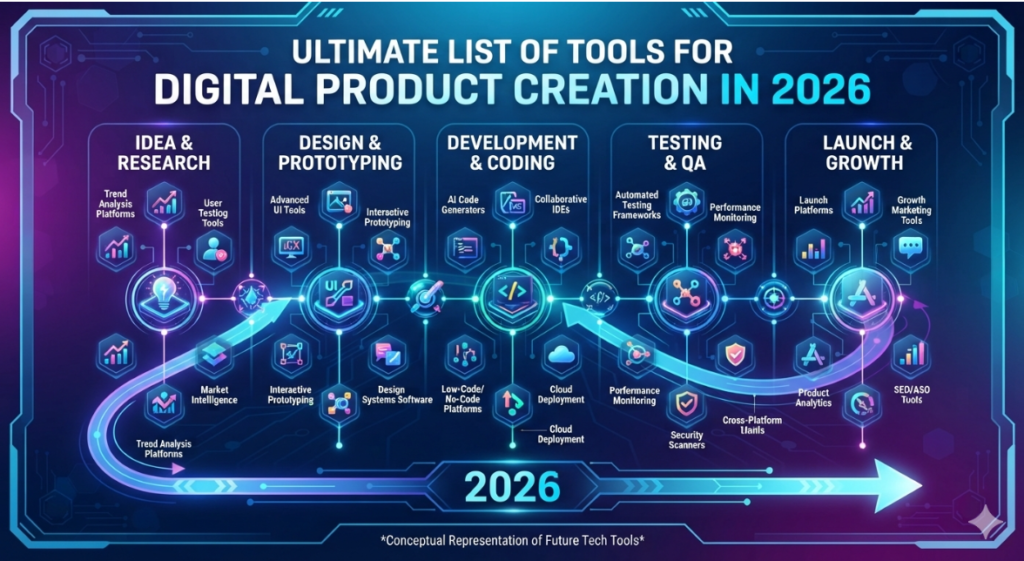
Finding the ultimate list of tools for digital product creation is essential for businesses and creators in 2026. In today’s fast-paced digital landscape… “If you are looking for the ultimate list of tools for digital product creation in 2026, you’ve come to the right place…” In today’s fast-paced digital landscape, businesses and creators are constantly evolving to keep up with changing AI technologies, user expectations, and competitive pressures. Whether you are building SaaS platforms, digital downloads, or online courses, leveraging the ultimate list of tools for digital product creation is essential for staying ahead in 2026.
Among all strategies, customer feedback combined with AI-driven analytics plays a pivotal role in shaping and refining modern digital products. Understanding how users interact with your offerings allows product teams to iterate faster, enhance user experience, and drive sustainable growth.

Below is an updated 2026 guide on how to integrate continuous feedback and modern toolstacks to create successful digital products.
1. Understanding User Needs and Preferences
At the heart of every successful project lies a deep understanding of the customer. Choosing the ultimate list of tools for digital product creation often starts with platforms that help capture user sentiment and behavioral analytics.
Instead of guessing what your target market desires, direct feedback enables product teams to focus on high-impact features. For example, if users report that an AI-assisted interface is confusing, team leads can prioritize UX refactoring.
- 2026 Actionable Insight: Combine traditional surveys with real-time feedback widgets like Typeform, Hotjar, or Sprig and predictive AI analytics to build a comprehensive view of user journey dynamics.
2. Identifying Bugs and Technical Issues Early
No matter how meticulously a product is built, technical glitches and edge cases are inevitable. Integrating feedback loops into the ultimate list of tools for digital product creation ensures early bug detection before it impacts your core retention metrics.
When users encounter issue resolution in real-time, brand trust increases. Early bug reporting systems powered by modern AI log trackers allow engineering teams to triage severe issues within minutes.
- 2026 Actionable Insight: Implement automated in-app bug reporting platforms (e.g., Sentry or Marker.io) directly linked to your product engineering channels on Slack or Microsoft Teams.
3. Data-Driven Feature Prioritization
With rapid technological shifts in 2026, feature creep is a major risk. Deciding which roadmap items to execute requires reliable input. Incorporating community voting mechanisms into the ultimate list of tools for digital product creation provides data-driven evidence for feature planning.
Relying on direct user input aligns product updates with real demands, ensuring higher feature adoption rates upon launch.

ational challenges. Incorporating user suggestions into the ultimate list of tools for digital product creation fosters co-creation and drives meaningful market differentiation.
4. Enhancing UX/UI Design for Modern Interfaces
Visual appeal alone cannot compensate for poor navigation or complex workflows. Modern digital product workflows must balance sleek UI with hyper-intuitive UX. Evaluating feedback against your selection from the ultimate list of tools for digital product creation helps pinpoint exact conversion bottlenecks.
- 2026 Actionable Insight: Conduct continuous usability testing using tools like Maze or Figma. Pair qualitative observations with session replay tools to identify drop-off points immediately.
5. Building Long-Term Customer Loyalty and Trust
Active listening builds authentic customer relationships. When users observe that their feedback directly influences product updates, they transition from passive users into brand advocates.
Selecting the ultimate list of tools for digital product creation should include transparent changelog and communication platforms to keep users continuously informed about product iterations.
- 2026 Actionable Insight: Maintain transparent public roadmaps and release updates using platforms like Beamer or Headway. Highlight user-requested updates in monthly product newsletters.
6. Driving Continuous Product Innovation
Groundbreaking ideas often stem directly from active power users facing daily operational challenges. Incorporating user suggestions into the ultimate list of tools for digital product creation fosters co-creation and drives meaningful market differentiation.
- 2026 Actionable Insight: Launch user focus groups, beta-testing communities, or open ideation contests to crowdsource novel solutions directly from your user base.
7. Maintaining a Competitive Edge in 2026
The 2026 digital landscape demands agility. Companies that consistently listen to market feedback adapt quickly to new technological standards, maintaining a strong market posture against emerging competitors.
Evaluating competitor feature rollouts alongside your internal Ultimate List of Tools for Digital Product Creation in 2026 ensures your solution remains highly relevant.
- 2026 Actionable Insight: Benchmark customer satisfaction scores (NPS and CSAT) continuously against market averages and emerging industry trends.
8. Enhancing Customer Support and Knowledge Bases
Feedback often highlights documentation gaps and support bottlenecks. When users consistently ask the same questions, it indicates that onboarding or self-serve documentation requires immediate improvement.
Integrating knowledge-base engines into the Ultimate List of Tools for Digital Product Creation in 2026 optimizes support efficiency and reduces customer churn.
- 2026 Actionable Insight: Deploy AI-powered support agents such as Intercom Fin or Zendesk AI trained on real-time documentation updates and frequently asked user queries.
Conclusion
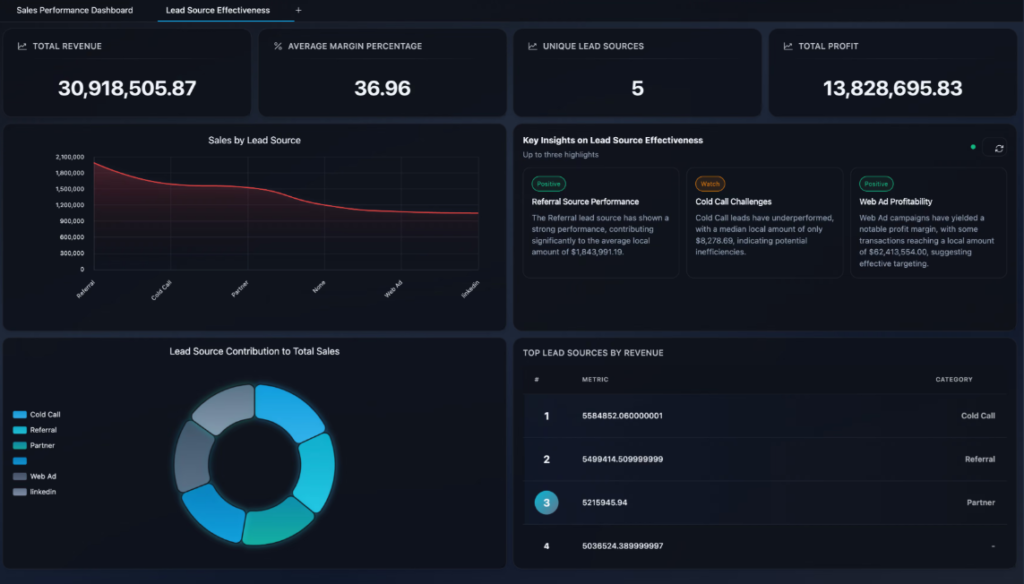
Developing digital products requires an agile combination of modern technology and customer-centric feedback loops. By thoughtfully curating the Ultimate List of Tools for Digital Product Creation in 2026, businesses can capture real-time insights, optimize user experiences, and sustain long-term digital growth.
Conclusion
Developing digital products in 2026 requires an agile combination of modern technology and customer-centric feedback loops. By thoughtfully curating the ultimate list of tools for digital product creation, businesses can capture real-time insights, optimize user experiences, and sustain long-term digital growth.